

Is your gym still relying on manual intake processes that create avoidable bottlenecks and lost revenue?
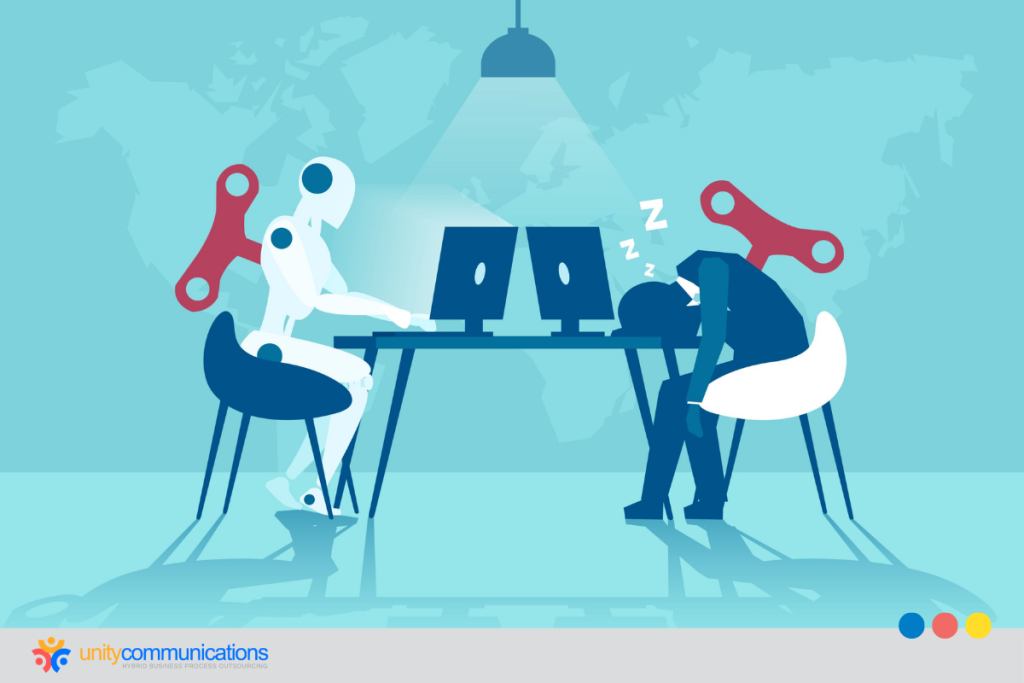
You can solve the problem with a fitness client intake AI agent. It automates lead capture, qualifies prospects, and schedules sessions with minimal manual effort, giving your center a competitive edge.
In this article, we highlight the top fitness client intake AI agent solutions and break down their features and benefits to help you find the right fit for your gym. You will also learn practical tips for choosing the best provider for your needs.
What are fitness client intake AI agents?

A fitness client intake AI agent automates lead capture, qualifies prospects, and books sessions so gyms can respond faster.
In particular, it:
- Collects essential client information (goals, availability, fitness level, health disclosures)
- Qualifies leads based on predefined criteria
- Schedules consultations, trial sessions, or gym tours automatically
- Answers frequently asked questions (FAQs) about pricing, memberships, and services
- Sends reminders and follow-ups to improve show-up rates
- Syncs data with customer relationship management (CRM), booking, and payment systems
According to BCC Research, the global AI agent market could reach $48.3 billion by 2030 as demand for automation across industries, including gyms and fitness centers, increases.
These businesses still rely on manual intake, which often results in missed inquiries, slow responses, and inconsistent follow-ups, particularly during peak hours or after closing time. Automating the process, whether through an in-house team or business process outsourcing (BPO), provides the following benefits:
- Higher lead-to-membership conversion rates. Faster engagement and consistent follow-up prevent prospects from contacting competing gyms while waiting for a response. According to Rework, companies that contact leads within 5 minutes are 21 times more likely to qualify them than those who wait 30 minutes.
- Increased revenue per inquiry. Structured intake enables staff to identify opportunities for higher-value services, such as personal training packages, small-group coaching, and nutrition add-ons, rather than defaulting to base memberships.
- Reduced lead leakage during high-traffic periods. January surges, promotional campaigns, and seasonal spikes no longer overwhelm front desk staff. AI agents can prevent dropped calls and unanswered inquiries during peak acquisition windows.
- Improved staff productivity and focus. Coaches and front desk personnel spend less time chasing callbacks or managing scheduling logistics and more time training members and closing memberships. This shifts labor toward revenue-generating activities.
- Lower no-show and drop-off rates. Structured follow-up and confirmation workflows increase trial attendance and reduce ghosting after initial contact, stabilizing the top of the sales funnel.
- More predictable sales pipeline. With consistent intake and tracking, management can see how many inquiries convert to trials, how many trials convert to memberships, and where prospects disengage. This supports forecast-based staffing and promotion planning.
- Shorter sales cycles. Capturing prospect information upfront results in more targeted consultations. Decisions happen faster because you can address objections (price, schedule, and program fit) earlier in the process.
- Better member experience from the first touchpoint. Prospects encounter a structured communication approach from the outset, which builds trust and signals professionalism. These are essential differentiators in competitive local markets.
- Stronger retention through early fit alignment. Collecting goal and preference data early reduces mismatches between members’ expectations and program structure, lowering early-stage cancellations.
- Data-driven marketing optimization. With complete tracking from inquiry to membership, gyms can calculate acquisition costs by channel and reallocate budget to campaigns that drive paying members.
Just like how outsourcing works in streamlining operations, AI agents for client intake minimize errors, free staff to focus on other core activities, reduce operating costs, and drive conversions through increased customer satisfaction.
Top client intake AI agent development company in 2026

Choosing the right AI agent can transform how your fitness center manages new leads, streamlines bookings, and engages prospects. We have curated a list of top fitness client intake AI agents to simplify your selection process. We’ve chosen them based on their key features, ideal use cases, and setup details.
1. Jotform
Jotform’s fitness client intake AI agent transforms traditional intake forms into interactive, automated lead-capture tools. It collects client details, schedules sessions, and ensures that no inquiries go unanswered, even after hours. Small to mid-size gyms can implement it quickly with minimal setup, streamlining intake while maintaining data accuracy.
Pricing: Included with Jotform plans (free tier available; advanced features on paid tiers)
Best for: Small to mid-size gyms and studios looking to digitize intake forms
Integrations: Google Sheets, Zapier, Calendly, and Google Calendar
Limitations: Basic lead scoring, limited CRM depth
Typical time to launch: Under 1 hour
Onboarding model: Self-service
2. AgentiveAIQ
AgentiveAIQ offers an AI-powered chat solution tailored for personal trainers to qualify leads and schedule sessions efficiently. It automates client intake, freeing trainers from repetitive manual follow-ups. Boutique studios and individual coaches benefit from its easy integrations with booking tools and payment systems.
Pricing: Tiered monthly usage-based pricing
Best for: Personal trainers and boutique studios
Integrations: Booking tools, Stripe for payments
Limitations: Limited analytics and reporting
Typical time to launch: 1–3 hours
Onboarding model: Self-service
3. LegitFit (Lia AI Agent)
LegitFit’s Lia AI Agent provides real-time intake, FAQ handling, and appointment scheduling in a single platform. It engages prospects immediately and helps gyms manage growing client lists without additional staff. It is ideal for mid-size studios seeking advanced automation with CRM and messaging integrations.
Pricing: Mid-range plans, advanced features at higher tiers
Best for: Growing studios and multi-trainer facilities
Integrations: CRMs, scheduling platforms, and messaging apps
Limitations: Customization might require additional setup time.
Typical time to launch: 24–48 hours
Onboarding model: Done-for-you available
4. Wonderchat Personal Trainer
Wonderchat offers a ready-to-use fitness client intake AI agent template. It automates lead capture and initial engagement, reducing administrative workload. Coaches and small fitness practices can launch it in under 30 minutes, seamlessly integrating it with social media and websites.
Pricing: Template pricing plus platform subscription
Best for: Solo coaches and small practices
Integrations: WhatsApp, Instagram, and website embeds
Limitations: No built-in calendar sync without third-party apps
Typical time to launch: Less than 30 minutes
Onboarding model: Self-service
5. Fitmatic AI
Fitmatic AI provides dedicated AI agents to handle intake, follow-ups, and lead-nurturing sequences for fitness coaches. It simplifies onboarding new clients and maintains consistent engagement without manual effort. Solo coaches and small teams can set it up quickly by leveraging integrations with Stripe and coaching platforms.
Pricing: Feature-tiered plans
Best for: Solo coaches and small teams
Integrations: Stripe, Zapier, and coaching platforms
Limitations: No voice interaction support yet
Typical time to launch: Less than 1 hour
Onboarding model: Self-service
6. Rybo AI
Rybo AI functions as a 24/7 gym chatbot that captures leads, answers FAQs, and schedules visits. It ensures no potential client is missed, even during peak hours. Gyms of all sizes can implement Rybo with minimal setup, integrating with web chat, Messenger, and SMS platforms.
Pricing: Affordable monthly plans with add-ons
Best for: Gyms of all sizes, especially those with high lead volume
Integrations: Messenger, web chat, SMS platforms
Limitations: Reporting and advanced funnels are locked behind higher tiers.
Typical time to launch: 2–3 hours
Onboarding model: Self-service
7. Capture Client
Capture Client brings voice-enabled automation to fitness client intake, allowing prospects to interact hands-free via phone or app. It collects lead information, schedules sessions, and improves front-desk efficiency. High-traffic studios and multi-location gyms benefit most, though audio quality can affect accuracy.
Pricing: Premium tier with voice processing costs
Best for: High-traffic studios and multi-location gyms
Integrations: Phone systems, SMS platforms, and booking tools
Limitations: Performance depends on audio quality.
Typical time to launch: 1–2 days
Onboarding model: Done-for-you
8. FitConnect AI
FitConnect AI automates intake forms and FAQ responses for boutique gyms. It is cost-effective and easy to implement, though analytics and multi-location support are limited.
Pricing: Low-cost subscription
Best for: Small studios looking for basic automation
Integrations: Website embeds and simple scheduling apps
Limitations: Limited analytics and no multi-location support
Typical time to launch: 30–60 minutes
Onboarding model: Self-service
How we selected the best AI fitness agents for gym owners
We provided you with ideas about where to buy virtual receptionist packages with lead-capture features for your fitness gyms. Below, we’ll detail how we chose these tools:
Fitness-specific intake capabilities
We looked for fitness client intake AI agents that can collect essential client details such as health metrics, fitness goals, and membership preferences. A good AI agent ensures no key information is missed during intake, improving personalized service.
Lead qualification and scheduling reliability
The best solutions prioritize high-quality leads and accurately automate session bookings. Reliable lead handling reduces follow-up delays and increases conversion rates.
Integration strength
Agents must connect seamlessly with gym management systems, CRMs, calendars, payment platforms, and messaging apps. Strong integrations, such as AI in customer support, prevent workflow bottlenecks and enable data to flow effortlessly across systems.
Privacy and data security
Around 65% of consumers are more likely to trust businesses that leverage AI to improve their services, underscoring the importance of privacy and data security.
We evaluated each agent for compliance with data protection regulations and the secure handling of sensitive client information. Robust safeguards foster client trust and protect your business from legal and reputational risks.
Ease of implementation
A top AI agent should be quick to launch with a straightforward onboarding process, whether self-service or done-for-you. Lower setup complexity helps gyms start capturing leads immediately without overwhelming staff.
Reporting and analytics visibility
Actionable dashboards and performance metrics are essential for monitoring agent effectiveness and tracking leads. Transparent reporting supports continuous improvement and better decision-making.
Scalability and customization
About half of AI high performers plan to use AI to transform their businesses, with most actively redesigning their workflows. That same forward-thinking approach applies when selecting a fitness client intake AI agent.
We considered how easily each solution can scale with your business or adapt to multi-location gyms. Customizable workflows and flexible features ensure long-term value as your operations expand and evolve.
How do you choose the right AI agent for your gym?

Choosing the right AI agent starts with your gym’s size and budget. Confirm the platform fits your current systems before you commit.
Consider these tips before deploying AI agents:
Match the agent to your gym’s size and lead volume
Smaller studios and solo coaches often benefit from lightweight, self-service AI tools for basic intake and scheduling. High-traffic gyms or multi-location brands might need more advanced automation, voice capabilities, and deeper CRM integration to manage larger lead pipelines effectively.
Evaluate total cost, not just monthly pricing
Subscription fees are only part of the investment. Consider setup costs, premium feature upgrades, integration fees, and potential savings from reduced administrative hours and improved conversions.
Check integration compatibility with your existing systems
Seamless integration is essential to maximize efficiency. An AI agent should work smoothly with your CRM, booking software, payment platforms, and messaging apps to avoid manual workarounds that defeat the purpose of automation.
Prioritize lead qualification and scheduling accuracy
Reliable automation should route prospects correctly and sync bookings in real time. Scheduling errors or incomplete intake data can negatively affect first impressions and conversion rates.
Assess onboarding and ease of implementation
Some providers offer a done-for-you setup, while others rely on self-service configuration. Choose a model that matches your team’s technical skills and available time for deployment.
Consider scalability and customization flexibility
Growth-focused gyms should select an AI agent that can adapt to new services, trainers, and locations. Customizable workflows and reporting tools ensure your automation evolves alongside your business.
You have many factors to consider when hiring an AI virtual receptionist. Selecting a solution that aligns with your gym’s operational needs and growth plans can determine whether it drives measurable returns or creates additional complexity.