Many U.S. sales leaders are seeing firsthand how AI-driven tools can remove friction from the sales process. Real-world success stories demonstrate how AI agents automate lead qualification, optimize follow-up timing, enhance CRM accuracy, and deliver data-driven sales recommendations.
In this article, we’ll explore real success stories that demonstrate how AI sales agents increase sales efficiency in the USA. You’ll see how leading organizations are using AI to optimize every stage of the sales funnel and how you can apply these strategies to your sales operation.
Automate lead qualification and prioritization in sales pipelines

Lead qualification is one of the most time-consuming and inconsistent stages of the sales process. Reps spend valuable hours manually reviewing inbound inquiries, applying subjective criteria, or chasing low-intent prospects. The manual process slows down pipeline momentum and dilutes focus.
Sales AI sales agents make a measurable impact here. AI sales agents increase sales efficiency in the USA by analyzing demographic data, firmographic details, behavioral signals, and engagement history. The system adapts as new data becomes available, allowing you to instantly identify which prospects are most likely to convert.
AI agents ensure high-value leads are surfaced immediately while lower-priority prospects are nurtured automatically.
U.S. businesses are using AI-driven lead prioritization to see faster response times and more consistent follow-through. AI sales agents can route qualified leads to the right reps based on territory, industry, or deal size, reducing manual handoffs and the risk of missed opportunities.
AI-driven lead scoring at a B2B software company
A B2B software company serving enterprise markets faced a familiar challenge: its sales development team was overwhelmed by more than 2,000 inbound leads each month, yet only around 15% of them ever converted into real sales opportunities. Manual lead triage was slow and inconsistent, and detracted from high-value selling activities.
To overcome this, the company implemented an AI-powered lead qualification system that analyzed behavioral engagement (website visits and content downloads), firmographic data (company size, industry, job role), and historical buying signals to automatically score and rank each lead.
This solution also included intelligent routing logic that sent the highest-priority leads directly to the right reps based on their expertise and territory. The results were:
- Lead-to-opportunity conversion rates increased by over 120% because reps focused only on the most promising interactions instead of chasing low-value contacts.
- Average sales cycle time dropped by 40% as high-intent prospects were engaged promptly and consistently.
- Sales productivity rose by 65% because automation reduced tedious triage, allowing reps to focus on selling.
- The company generated an estimated $3.2 million in additional revenue within the first year due to improved qualification and prioritization.
This case clearly demonstrates how AI sales agents increase sales efficiency in USA sales teams. In highly competitive markets, the difference between winning or losing a deal boils down to timing and focus. You can show up with context, relevance, and speed when you leverage AI sales agents that automatically qualify leads and prioritize them based on dynamic engagement signals.
Personalize outreach at scale across sales teams
Sales reps could only personalize messaging for a small fraction of their target lists because researching each prospect is time‑intensive and error‑prone. This tends to be limited to priority accounts. AI changes that dynamic by automatically pulling relevant context, such as company updates or decision‑maker signals, into every message.
By having AI sales agents handle outreach logic, you can maintain consistent quality across thousands of contacts. You can guarantee that the messaging aligns with each prospect’s specific situation. A high level of relevance builds trust early in the sales cycle.
One practical example comes from multiple sales teams that implemented AI‑driven personalization tools to overhaul their outbound communication strategy. Tools such as RhinoAgents’ AI email personalization engine analyze CRM data, LinkedIn insights, and engagement behavior to generate tailored messages designed for each individual prospect.
The approach helps teams send truly personalized outreach without adding hours of manual work per rep. Across deployments, sales organizations reported measurable improvements:
- 3x higher reply rates on cold outreach compared with generic messages
- 22% increase in booked meetings thanks to outreach that resonates with each prospect’s role, company context, and recent activities
- 40% faster prospecting cycles, enabling reps to move through large pipelines more quickly while maintaining quality
These results highlight how AI sales agents increase sales efficiency for USA sales teams by removing the manual burden of personalization.
Boost sales rep productivity through AI-driven task automation
Administrative tasks such as manual CRM updates to scheduling, logging activity, and preparing routine follow‑ups bog down sales reps. Many reps spend only 35-39% of their day on core selling activities because so much time is eaten by repetitive non‑selling work.
AI sales agents automate the tasks, so you can focus on revenue‑generating conversations. AI sales agents increase sales efficiency in USA-based organizations by fundamentally improving how reps allocate their time.
One compelling example comes from a 2025 case study in which AI agents were deployed to automate entire sales workflows, from CRM updates through routine outreach and task coordination. Before the integration, sales reps at the company spent a significant portion of their week on non‑selling tasks. After introducing AI‑powered automation:
- Sales productivity soared by roughly 25% because reps were freed from routine data entry, scheduling, and follow‑up sequencing
- Reps saved up to 2+ hours per day, which is time previously spent on repetitive tasks. It allows more focus on strategic selling conversations and pipeline acceleration.
- Overall engagement metrics improved, with more meetings booked, faster responses to prospects, and smoother handoffs between sales stages thanks to consistent, AI‑driven workflows
Speed, accuracy, and rep capacity can be differentiators in competitive markets. Task automation enables you to sell smarter. You need not worry about CRM data updates, activity logging, or meeting coordination, and instead:
- Focus on personalized selling and relationship building
- Engage more frequently with strategic accounts
- Respond faster to buyer signals and emerging opportunities
Productivity gains also compound at the team level. Managers get better visibility into your pipeline progress because AI ensures consistent, accurate task execution and data capture. As reps spend more time selling rather than administering, the overall sales output grows without proportionally increasing headcount or operational costs.
Increase pipeline velocity with AI-powered follow-ups and reminders
One major sales bottleneck is keeping leads moving. Buyers want timely, context‑aware communication, but prospects go cold, and pipelines stall when outreach falls behind. AI sales agents increase sales efficiency for USA-based teams to maintain momentum across every stage of the funnel.
One standout example comes from companies that implemented AI‑powered follow‑up automation to prevent leads from going unanswered and ensure every high‑intent signal triggers the right action.
After adopting AI systems that automate multi‑touch engagement sequences, these organizations saw measurable gains in pipeline efficiency. A B2B services organization using AI‑driven outreach saw dramatic improvements within just a few months:
- Response rates increased up to 3x, as behavior‑triggered follow‑ups arrived at the moments prospects were most receptive, such as after viewing pricing pages or downloading key content.
- Sales cycles shortened significantly, with the average time from lead to opportunity falling by roughly 25–40% as automated reminders kept prospects engaged and reps focused on closing.
- Appointment no‑shows dropped sharply, thanks to AI‑scheduled reminders and automated re‑engagement sequences that confirmed availability and logistics prior to key calls.
How automated follow‑ups move deals faster
Traditional manual follow‑ups rely on rep memory and calendars. This inevitably leads to inconsistent outreach and prospects slipping through the cracks. AI changes the rules by:
- Trigger timely reminders when prospects engage with content or attend a demo.
- Automate repetitive outreach sequences that maintain engagement without distracting reps from selling.
- Personalize timing and messaging based on a prospect’s behavior and past interactions.
The consistency alone drives pipeline momentum. Buyers feel seen and appreciated, and teams reduce the lag between interactions that typically stall deals.
In a high‑velocity sales market, timing is everything. Every hour of delay can cost opportunities, especially when competitors engage prospects faster with tailored follow‑ups.
Updates in agentic AI automate the cadence of outreach to ensure prospects are engaged at peak interest intervals. They keep sales reps focused on strategic engagements rather than task‑management.
Key takeaways from companies that saw increased sales efficiency

As we’ve seen from multiple real-world examples, AI sales agents are increasing sales efficiency for companies in the USA. Across industries, teams that deploy AI strategically experience tangible improvements in productivity, pipeline velocity, and conversion rates.
Here are the key takeaways from companies that successfully leveraged AI sales agents to increase sales efficiency in US markets:
Automation drives time savings and focused selling
Companies using AI to automate lead qualification, follow-ups, and task management consistently free reps from repetitive administrative work. This allows teams to dedicate more time to strategic selling.
Reps gain more than two hours per day, which increases productivity. Reclaiming your time with AI directly leads to higher revenue.
Personalization improves engagement
AI agents enable highly relevant outreach to thousands of prospects without manual effort. Teams using AI-driven personalization saw reply rates triple and booked meetings increase since every touchpoint aligns with buyer intent.
Scaling personalization while maintaining quality amplifies pipeline engagement and deal opportunities.
Real-time insights accelerate the pipeline
AI-driven follow-ups and reminders ensure timely engagement with high-intent prospects, shortening the sales cycle. Using AI for your pipeline management maintains momentum, reduces no-shows, and converts opportunities faster.
This shows that speed and consistency in engagement directly correlate with higher conversion rates and faster revenue recognition.
Data accuracy enhances forecasting and decision-making
Improved CRM integrity supports better strategic decisions and more predictable revenue outcomes.
AI sales agents automate CRM updates and validate data. Clean, accurate information allows you to forecast more reliably and identify pipeline risks proactively.
Strategic AI deployment supports scaling
AI sales agents increase sales efficiency by enabling scalable, repeatable processes that drive revenue growth.
If you integrate AI thoughtfully across lead scoring, outreach, follow-ups, and task automation, you can scale operations efficiently without proportionally increasing headcount. You can expand your reach while keeping operational complexity low.
What high-performing sales teams are doing differently with AI
AI sales agents are most effective in sales and digital marketing when they augment human expertise, streamline repetitive tasks, and deliver actionable insights across the sales funnel. Teams that adopt these strategies witness productivity gains and faster sales cycles.
You can also reap these benefits by looking at how high-performing sales teams deploy AI. The key differentiators of high-performing teams include the following:
- They use AI to anticipate buyer behavior rather than reacting to leads.
- AI insights are embedded directly into CRM and communication tools.
- Teams consistently adjust AI workflows based on results, keeping performance aligned with changing market demands.
These teams show that AI sales agents increase sales efficiency in USA-based teams and enable targeted selling.
Embed AI into daily workflows
Top teams integrate AI sales agents into the everyday operations, ensuring insights and automation are immediately actionable. For example, AI can automatically prioritize leads, send timely follow-ups, and provide recommendations for next-best actions.
This allows sales reps to focus on high-value conversations while maintaining consistent engagement with prospects.
Leverage AI for personalized engagement at scale
High-performing teams use AI to personalize outreach across large prospect lists without overwhelming human reps. By analyzing engagement signals and relevant buyer data, AI can craft messages that are relevant and timely, ensuring each prospect interaction adds value.
Continuously monitor and optimize AI performance
Top teams track AI-driven outcomes to refine strategies and maintain alignment with sales objectives. Key metrics, such as lead-to-opportunity conversion, pipeline velocity, and sales cycle length, are monitored to optimize both human and AI activity.
The ongoing feedback loop ensures AI recommendations remain effective as buyer behavior and market conditions evolve.
How to apply these AI sales agent strategies to your organization
Successfully implementing AI sales agents requires aligning the technology with your sales strategy, workflows, and team goals. Here’s how you can apply AI strategies to increase efficiency and revenue:
1. Identify key areas for AI support
Start by pinpointing repetitive or time-consuming tasks that could benefit from automation, such as lead scoring, follow-ups, CRM updates, or outreach personalization. Map your sales process and identify repetitive or time-consuming tasks that don’t require complex human judgment.
By targeting high-impact activities first, you can maximize ROI and quickly demonstrate results.
Next, evaluate your team’s pain points and productivity gaps to prioritize opportunities with the highest impact and fastest return on investment. Focus on tasks that slow pipeline velocity or create inconsistencies.
2. Integrate AI into existing workflows
Rather than creating separate processes for AI, embed AI recommendations and automation directly into your CRM, email platforms, and sales tools. This ensures reps can interact with AI insights naturally during their daily activities, minimizing disruption and adoption barriers.
High-performing teams also design workflows that balance automation with human judgment. AI can handle repetitive tasks and provide data-driven recommendations, while reps focus on strategic decisions and personalized engagement.
3. Set clear goals and metrics
Define the outcomes you want to achieve and the metrics that will measure success. Common goals include reducing lead response times, increasing conversion rates, shortening sales cycles, or boosting sales rep productivity. Clear objectives help teams focus on high-impact areas and provide benchmarks to evaluate AI performance over time.
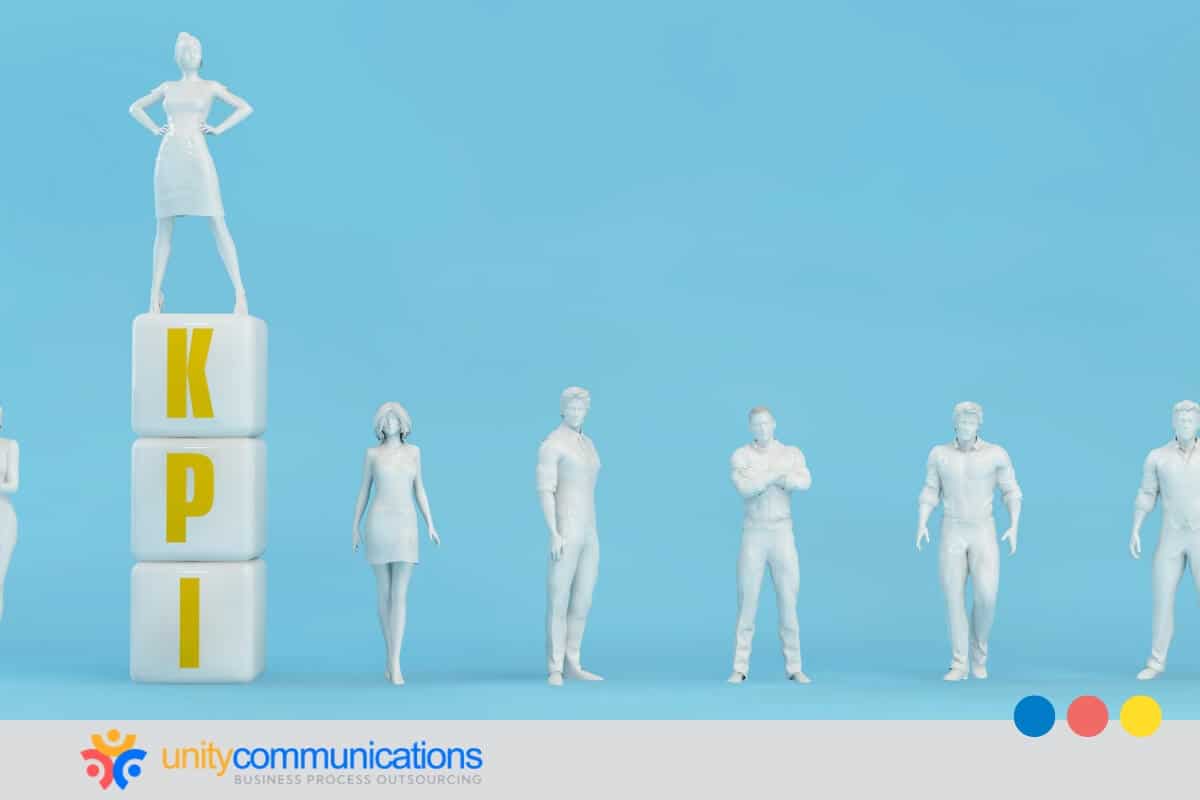
Key performance indicators (KPIs) could include reduced lead response times, increased meeting bookings, higher conversion rates, or shorter sales cycles. Tracking these metrics will show exactly how AI sales agents increase sales efficiency for businesses.
4. Train teams to work with AI
AI is most effective when paired with human judgment. Equip your sales reps and managers with training in interpreting AI recommendations, prioritizing tasks, and personalizing engagement. Training helps reps understand how to use AI as a decision-support tool rather than a replacement.
Encourage a feedback loop so that the AI can improve over time based on user input and outcomes. When reps provide insights on lead quality, outreach effectiveness, or task prioritization, the AI continuously improves.
5. Monitor, adjust, and scale
After initial implementation, continuously review AI performance against your KPIs. Regular monitoring lets you identify bottlenecks, refine workflows, and adjust AI settings to respond to changing market conditions or buyer behavior.
Adjust parameters, refine workflows, and expand AI usage to additional teams or sales stages as confidence grows. High-performing organizations treat AI as a continuously evolving tool rather than a one-time setup.
6. Focus on buyer-centric benefits
Ensure that AI adoption improves the experience for your buyers and your team. Faster follow-ups, personalized outreach, and timely engagement strengthen relationships and trust.
High-performing organizations use AI to respond faster to inquiries, deliver relevant and timely information, and maintain consistent engagement throughout the buyer journey. When buyers feel seen and supported, trust grows, and deals are more likely to progress smoothly.